
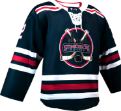


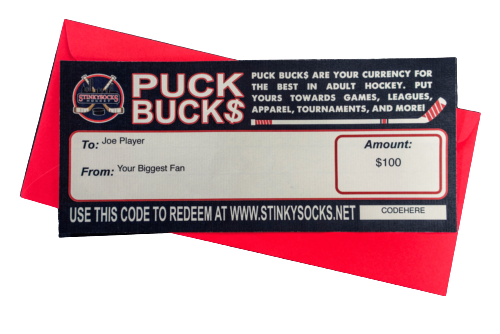
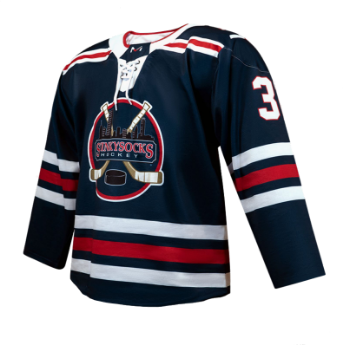



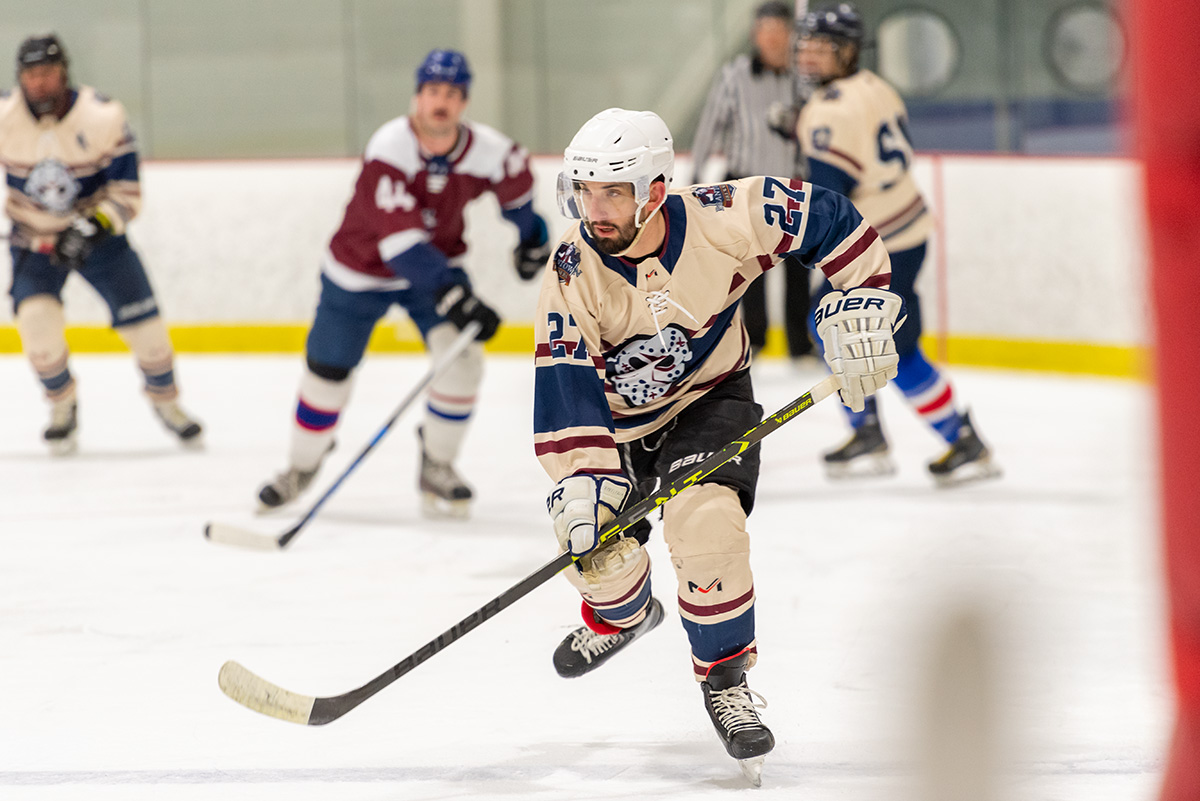
Build and manage your own team with our BYOT leagues. Captains get the control they’re looking for, from managing their roster to creating the best jerseys on the ice, all while not having to worry about administration such as team payments. Teams get the same or nearby locations, no super late game times, appropriate leveling, a positive playing environment, and more.
Highlights of BYOT
Reasonable Hours
Say goodbye to those west coast start times – NEVER a crazy late game.

Predictable Locations
What’s the sense in sending you all over the map? Our scheduling options allow you to choose a single location, play local home-and-home games, or play in a narrow geographic region.

The Best Rinks
Good ice surfaces in the most convenient locations. BYOT leagues are available at premium locations such as Warrior Ice Arena (Bruins Practice Facility), Agganis Arena (BU Men’s Hockey Facility), and Phillips Academy.

Never Skip a Week
You’re out there for the enjoyment of the game and for the workout so why skip a week? Play every week, even if your team doesn’t progress in the playoffs.

Specific Leveling
With individual player qualification requirements.

“No Jerks”
We look to attract the right players. Like-minded captains and our Player Conduct Policy help to ensure they stay on the good side.

No Surprise Players
Controlled and enforced roster eligibility ensures that ringers don’t come and go.
A Local League That Cares
Visit us at our Boston office or call/text our full time office staff at any time.

Split Up Your Share of the Team Payment Over Time
Payment plans are available for all players to split up payments over the course of the season.

Play Extra BYOT Games for Free
Play for free when invited to play for another team at the same level when they are in need of players.
-
Online Schedule and Standings
View your schedule standings online.
Play as Much as You Want
Get out there as often as you want by playing our other game format, No Commitment Hockey on a game-by-game basis. Plus, all BYOT players are offered a StinkySocks Hockey jersey (required for Standard Games) at 50% off, once per season.

SSH Full Time Player Benefits
All paying players qualify for SSH Full Time Player benefits.

We’re Your Partner in This
From registering to raiding the cup, we’re with you every step of the way to make sure that organizing your team is easy. Call, email, or text us 7-days a week to keep everything on track.

Players When You Need Them
Let us know as early as possible and we do the work for you to make sure that you have a goalie or extra skaters.

We Handle the Money
By default, we manage your team account and collect payments. There’s never a need for you to collect money or track down those who haven’t paid unless you prefer to pay as a captain and manage the player payments on your own.
-
Scheduling Preferences
Day-of-week preference can be made at the time of team registration. Although not guaranteed, we can usually accommodate your team’s day-of-week preference as long as it works with the preferences of other teams. Beginning in 2024, we guarantee that we will not schedule a game that takes place in less than 2 weeks unless it takes place on your preferred day of the week.
Additionally, you can let us know up to 4 calendar days per season that you prefer to have as guaranteed off days when requesting at least 2 weeks in advance.
General Rules & Policies
Required Equipment
All players are required to have the proper protective equipment that is designed for ice hockey, fits properly, and maintains the manufacture’s intended integrity. To clarify, the following equipment is required for participation:
- Helmet that is HECC-approved and has throat straps securely fastened (no more than two fingers of room between the throat strap and the chin). Goalies must have a proper face cage/shield.
- Gloves
- Shin pads (skaters) or leg pads (goalies)
- Elbow pads
- Padded pants or girdle
- Chest protector (goalies)
- Protective cup (men) or pelvic protector (women)
- Skates
The following are optional (except for goalies and at the skater’s own risk). They are, however, strongly encouraged for your safety.
- Shoulder pads
- Face shield/cage (skaters)
- Mouth guard
Pregame - Locker Rooms and Resurfacing
Locker Rooms
Players must use only the locker rooms assigned to their hour by the rink. Players may enter the locker room 20 minutes prior to game time and must vacate the locker room no more than 20 minutes after game time.
All locker rooms are coed and are to be used solely for changing in and out of hockey equipment. We ask that players please exercise discretion when in the presence of others. In particular, the changing of undergarments should take place in the bathroom or other areas that provide privacy.
No one on the ice during resurfacing
All rinks have safety rules in place to protect players and staff from injury while the ice is being resurfaced. Players must not take to the ice surface for any reason until the ice has been resurfaced and the ice resurfaced door has been completely closed. The rinks’s resurfacing operator may, in their sole discretion, exit the ice without finishing resurfacing if there is anyone on the ice. Also in their discretion, the rink may not premit players who violate this rule or create any other safety concern to return to their facility.
Conduct ("No Jerks") Policy
All players are subject to the player conduct policy, as interpreted by StinkySocks Hockey. Players are accountable for their own actions regardless of the actions of another individual. Players are expected to conduct themselves with good sportsmanship. Chippy play, disrespectful verbal engagement, or contributing to the escalation of an incident, intentional physical contact with another player and any other disrespectful conduct is strictly prohibited by the “No Jerks” policy.
StinkySocks promotes a clean game, a enjoyable playing environment and any actions that are contrary to that are considered a violation of the “No Jerk” policy. Any conduct that is considered to be unbecoming of a StinkySocks Hockey player, in violation of the terms and conditions of purchase, and/or contrary to the league’s mission will subject the offending player to disciplinary action, as deemed necessary by the league. Upon any offense, StinkySocks Hockey may, at its discretion, take disciplinary action against the offending player in the form of a warning or other penalty up to and including permanent ineligibility to participate in any StinkySocks Hockey games, leagues and tournaments. Subsequent offenses will result in more stringent disciplinary action varying from suspension of play, up to and including permanent ineligibility to participate in any StinkySocks Hockey games, leagues and tournaments.
Zero-tolerance on fighting: any involvement in a fight on or off the ice will result in disqualification from any and all StinkySocks Hockey games and events.
Third man in rule: Any player who becomes physically involved with a player of the other team during an altercation that did not initially involve them is considered to be a “third man in” and is subject to an automatic two-game suspension. In the event of an incident, players are required to clear out of the area in order to not further escalate the situation and to put the game staff in a position to handle the incident. This rule also applies to anyone who leaves the bench area during an incident, regardless of whether or not they end up becoming physically involved. Players should understand that even if their own intentions are good, becoming involved in an incident does NOT deescalate the situation. The purpose of this rule is to ensure that any incident comes to a quick close and does not further escalate.
Players who are ineligible to participate in a scheduled game or event due to disciplinary action taken by the league will not be entitled to any refunds. All decisions made by StinkySocks Hockey are final.
If you’ve identified an issue is any game that you’ve played in, we ask that you communicate your concern to the league office. Player conduct reporting helps us to maintain the quality of our games.
Age Eligibility
Players must be at least 21-years of age to participate in any StinkySocks Hockey event, unless otherwise noted. Certain exceptions may apply. Players who are under the required age are encouraged to call the league office to inquire about their eligibility.
Waiver of Liability Requirement
All players must read and sign a waiver of liability prior to participating in any game or related event offered through StinkySocks Hockey. Individuals may not participate in any hockey league game, tournament or skills without having signed a waiver. Waivers are only available in electronic form and are not available at games. Any player without a waiver e-signed prior to arriving at a scheduled game will not be allowed to participate.
Player Identification
Players are required to fully identify themselves to any representative of StinkySocks Hockey when asked. Providing any false or misleading information will result in permanent ineligibility to participate in any StinkySocks Hockey games, leagues, and tournaments.
Alcohol, Drug, and Substance Use
Any individual suspected of being under the influence of alcohol, drugs, or any other substance, or who actively consumes any of these during a game (e.g. having beers on the bench) will be immediately disqualified from participation in that game or event to ensure the safety of all participants. In the case of a team (BYOT or Draft League), the game will end and be considered a forfeit for the offending team.
Most facilities prohibit the consumption of alcohol on their premise and some, such as high schools (e.g. Phillips Academy) go a step further to prohibit the possession of drugs/alcohol/tobacco anywhere on their premise (including the parking lot). For facility-specific policies regarding alcohol, please visit the facility’s location page. Locations that explicitly prohibit the possession and/or consumption of alcohol may, in their sole discretion, prohibit the offending individual and/or team (BYOT or Draft League) from returning which as a result will also result in the forfeiture of games that you or your team are scheduled for or would otherwise be scheduled for at that location.
Violations may result in further disciplinary action under our conduct policy, including but not limited to suspension or disqualification from eligibility.
Privacy Policy
StinkySocks Hockey is committed to keeping your information private and makes every reasonable attempt to do so. We will never share or sell your information. Furthermore, we will not release your information to anyone without your consent. However, any player who is found to be in violation of our rules and policies waives their right to privacy.
BYOT Specific Rules & Policies
Player Registration for Season Roster
Choosing a Player Classification
At the time of registration, players choose to be a paying player, committing to sharing the team’s cost for the season, or a non-paying player, who does not. If your team’s registration page indicates that your season is paid for by your captain then no payment is necessary but you are still classified as a paying player.
Paying Players – Paying players commit to share equally the cost of the team's season and are granted Full Time member benefits with StinkySocks Hockey during their season. The $20 registration fee is waived for all paying players who register for the season before the first game eligibility deadline.
Non-Paying Goalie – Teams may decide if their goalie(s) pay or not. Those not paying are considered to be in this category. The $20 registration fee is waived for non-paying goalies at all times. If registering late, a $1 charge will appear that is waived when the registration is processed by the league office.
Non-Paying Alternate Skater – Alternate skaters pay a $20 registration fee but do not contribute towards the team’s dues. Alternate skaters may participate in regular season games, and can participate in playoff games as long as they have played the required amount of regular season games.
Registration and Season Roster Eligibility Deadlines
First game eligibility deadlines - To be rostered for the season, skaters must be registered by noon the business day prior to the game that they wish to start in. Goalies are eligible to register at any time.
Season registration deadlines - The deadline to register as skater on a team's season roster is by the 75% point of the regular season, rounded up (e.g. the day of the 12th game for an 18 week season that has 3 games reserved for playoffs). The deadline to register as goalie on a team's season roster is by the end of the last game of the regular season.
Please note that skaters must register before noon on the business day prior to the game that they want to be eligible for to be added to the season roster in time. To be clear, skaters cannot be added on the same day as the game in which they wish to start.
Player Eligibility
- Appear as eligible on the team’s season roster online
- Individually qualify for the level
- Wear a uniquely numbered jersey matching their team's primary color with the number permanently affixed to the back. Numbers cannot made of hockey tape or similar material that may fall off and no two players can have the same number.
- For playoff games, skaters must have played in at least 50% of their team’s regular season games. Goalies must have appeared in at least one of the team’s regular season games.
- Be listed on the game day roster that is submitted and certified by the captain to the game staff.
- Be current on payments and otherwise in good standing with the league.
Teams are not permitted to allow a player to play who does not fully meet the criteria above, under any circumstance. A team who found to have allowed a player to participate who was not on their eligible player roster, or misrepresents a player being a player who they are not, will have the game it occurs in considered a forfeit. Regular forfeit rules for losing a future game to the other team will apply.
Playoff Eligibility
In addition to the player eligibility requirements above, skaters must have played in at least 50% of their team’s regular season games. Goalies must have appeared in at least one of the team’s regular season games.
Appropriate Level Policy and Challenges
Level Qualification and Fairness
Each player on a team must individually qualify for the level the team is entering. The league does not pre-screen players; instead, it relies on team captains to build rosters with players who align with the published leveling guidelines. Players are evaluated based on individual skill and experience, not average team experience or game outcomes.
Captain Responsibility
Captains agree at the time of registration that they have reviewed the league’s leveling guidelines and have verified that every player meets the level requirements based on their playing experience and/or skill equivalency of playing experience.
Challenging an Opposing Team’s Player Eligibility
If a team believes that a player on an opposing team is ineligible, the captain may submit a written challenge at any time during the regular season. The league will review all available evidence—including staff observations, game footage, and input from other captains—to determine whether the player should be disqualified. Players discovered to have documented experience at a higher level may be automatically disqualified. A team’s record, whether strong or poor, is not a reliable measure of individual eligibility and is not a factor considered in the leveling challenge process.
Team Consequences of Disqualification
If a player is removed due to level ineligibility, any goals or assists they contributed will be reversed, which may affect game results. Disqualified players individually and their teams collectively are responsible for any outstanding payments owed for the season.
If a player is disqualified and then plays in a game after that time, the game will be considered a forfeit, with forfeit rules applying for losing a future game.
Player Consequences of Disqualification
If the player who is disqualified is found to have been untruthful about their playing history or otherwise grossly misrepresented their ability at the time of registration then they will be subject to a conduct review by the league.
Jersey Policy
Each team must have one set of uniforms with a matching primary color. All jerseys must be uniquely numbered with a permanently affixed number. In the event of a jersey color conflict, the team who registered later must yield to the other team. We recommend that teams have at least 2 sets to prevent a situation where they cannot play due to not having a matching set that’s individually numbered.
As one of the BYOT benefits, teams get a discount on custom jerseys from Mando Hockey. Contact the league office for us to get your order started.
Game Day Rosters
For every game, each captain (or designated member of the team) must submit legible paper rosters to the scorekeeper (or game staff member) before the game's start. This roster can be informal in its structure but must include the following information:
- Date, Time, Location
- Team name
- List of players rostered for the game (first name, last name, jersey number)
- As a reminder, all players must appear as active on the team's online season roster at the time of the game to be added to the game day roster.
- Certification statement that states “I certify that the players above are the actual players playing”
- Signature
The game cannot start until the game rosters are submitted by both teams.
Game Forfeits and Automatic Losses
Please note that skaters must register before noon on the business day prior to the game that they want to be eligible for to be added to the season roster in time. To be clear, skaters cannot be added on the same day as the game in which they wish to start.
When a team cannot field enough players for a game, forfeits fall into two categories:
FORFEIT
A team is considered to have forfeited a game in these cases:
- They are unable to produce at least five skaters by the end of the first period of a game, regardless of whether or not advance warning has been given.
- They have been found to have allowed a player to participate in a game who was not on their eligible player roster, or misrepresents a player being a player who they are not.
Automatic Transfer of Next Game
In the event of a forfeit in the regular season, the game will be considered unplayed and the forfeiting team will automatically have their next scheduled regular season game transferred to the team that was forfeited against as a makeup. If the team that was forfeited against has a qualified schedule conflict for the makeup game then the forfeiting team’s next scheduled game that is not conflicting will be used. A qualified schedule conflict is a game scheduled on the same day at another location, the same teams scheduled to play each other, or the makeup game data being a guaranteed off day for the forfeiting team. If no regular season games remain then there is no makeup game and a 1-0 loss will be recorded instead.
The team that was forfeited against has 24hrs to opt out of the makeup game, in which case the scheduling change is reversed and the team forfeited against has the forfeited game recorded as a 1-0 win. After 24 hours the makeup game is a a permanent schedule change.
Notes on This Policy
-
- In the case that both teams forfeit, the game will be recorded as unplayed.
- A team may play shorthanded until the end of the first period if they are awaiting more players or they may accept the forfeit prior to the start of the game. After a forfeit is entered, all players present will be evenly distributed in a pickup game format in order to get the best possible experience out of the time left.
AUTOMATIC LOSS
A team will automatically have a 1-0 loss in these cases:
- There are five or more skaters but no goalie by the end of the first period
- If an opposing team is given advance notice and agrees to give the forfeiting team players in order to have the forfeiting team reach the minimum skater threshold for a game to be played.
A team that is expecting their goalie to show up may play the first period without a goalie, whereas those not expecting a goalie may accept a forfeit prior to the start of the game. They may not play an additional skater, may not have a skater play in the crease, and may not have any of the skaters play with goalie privileges. After a 1-0 loss is entered, a game will continue in a pickup format, with skaters being asked to change sides approximately every 10 minutes so that both teams have the opportunity to shoot on the goalie.
AUTOMATIC TIE
Team will automatically have a 0-0 tie in these cases:
- When both teams appear with enough skaters but both fail to produce a goalie.
- When both teams appear with a goalie but not enough skaters.
- If both teams either don’t have a goalie appear or don’t have enough skaters.
SITUATIONAL SUMMARY
Both teams have goalies and 5+ skaters = game played as planned
Team x has a goalie AND/OR 5+ skaters = game played as planned
Team x allows a player to play who is not rostered and eligible = forfeit for team x
Team x has a goalie AND 5+ skaters but more than 3 of those players were placed for the game by StinkySocks Hockey = automatic loss for team x, a scrimmage game is played
Team x does not have a goalie but has 5+ skaters = automatic loss for team x, a scrimmage game is played with team x getting the other goalie and shooting at posts
Team x has a goalie but under 5 skaters = automatic loss for team x, a scrimmage game is played splitting all players amongst the two teams
Team x does not have a goalie AND has under 5 skaters = forfeit for team x, a scrimmage game is played by splitting all players amongst the two teams
Team y is notified in advance of an automatic loss for team x and they agree to give up enough players to help reach the minimum skater threshold = automatic loss for team x, a scrimmage game is played
Team x fails to appear = forfeit for team x, team y splits up players for a scrimmage
Both teams appear but both do not have goalies = game played as planned, the game is recorded as a tie
Neither team appears = unplayed game
Team x forfeits in advance = forfeit for team x and team y can use the ice as practice ice
Team x has an automatic loss scenario and team y decides not to play = forfeit for team y
Rules of The Game
NCAA ice hockey rules will be enforced, with the following modifications.
GENERAL MODIFICATIONS
- Absolutely no checking or intentional physical contact
- StinkySocks Hockye conduct expectations – refer to our conduct policy in the general rules
- Red line automatic icing
- Time Management: Ice blocks of 50 minutes will have a 3-minute warmup, (3) 15-minute running time periods, and one minute between periods. Ice blocks of 60 minutes will have a 5-minute warmup, (3) 17-minute running time periods, one minute between periods. All time is running time except the last minute of the period, if the score is within one goal.
- There are no timeouts allowed
- Two on-ice officials and one scorekeeper (staffing constraints may affect this)
PLAYOFFS
Single-elimination playoffs are scheduled at the end of each season. However, we guarantee you to schedule the full amount of games stated at registration so any team who either does not qualify for the playoffs or is eliminated will still go on to have their remaining games scheduled during the playoff weeks.
The size of the division determines how many teams make the playoffs and how many weeks are reserved for them:
- 7 or less teams: top 4 teams qualify, last 2 weeks reserved
- 8 or more teams: top 8 teams qualify, last 3 weeks reserved
Points percentage (points per games played) for the regular season will be used to determine playoff-qualifying teams. Tie-breakers in order are:
- Lowest penalty minutes
- Most goals for
- Fewest goals against
Additional modifications for playoff games:
- Time – The last two minutes of the third period are stopped time, regardless of the score.
- Overtime – A tie after regulation will result in a 5-minute (running time) 3v3 overtime. If the game is not decided in overtime, there will be a shootout. If necessary, the shootout begins with a round of three shots per team, each from a different player. If the score remains tied thereafter, there will be rounds of a single shot per team until the game is decided. A player may not be chosen to shoot again until everyone all other players on their team have shot.
Standings
Regular season points will be calculated on the following:
- Win – 2 points
- Tie – 1 point
- Loss – 0 points
Playoffs are determined by the highest win percentage, which is the same comparison as points per game played. Tie breakers for playoff determination are:
- Least amount of penalty minutes
- Most goals for
- Least goals against
Please note that any team who has forfeited more than 2 games in the regular season is not playoff-eligible.
Available BYOT Leagues
2025-2026 Fall/Early Winter Brighton
2025-2026 Fall/Early Winter Burlington
2025-2026 Fall/Early Winter Near City North
2025-2026 Fall/Early Winter Near City South
2025-2026 Fall/Winter Charlestown *Sunday AM*
2025-2026 Fall/Winter South Boston Area
2025-2026 Winter Springfield Area
BYOT Details
How It Works – BYOT Timetable



What To Expect Next - Upon completing your team's registration you can start to invite players to register through your online portal.
Registation Options at this Time - Paying players, those who commit to share equally the cost of the team's season, can register with a $100 deposit and waived registration fee up until the first game eligibility deadline. Non-paying alternate skaters can register with a $20 registration fee up until the 75% point of the regular season and nonpaying goalies can register at no cost at any time during the regular season.
For teams being paid by the captain, the team's remaining balance is required before the day of the first game. These teams have their player registration fees waived up until the first game eligibility deadline, so there is no cost to register at this time.
First Game Scheduled - The captain will be notified when the team's first game(s) are scheduled. This usually is one week prior to the expected start date.
Eligible Players and Rosters - As of the day of the team’s first game, the team account summary for the season will appear in the online portal, previewing what the payment split looks like for league handled team accounts. At that time the active players from the roster shown the online portal is published publicly. Active players are the sole eligibility list used for each game and may change over the course of the season if a player registers or is not eligible any reason. From the team's active roster, captains can choose up to 15 skaters and 2 goalies to include on their day of game roster that's submitted to the scorekeeper (or game staff member) on paper prior to each game.
Registration Continues - All paying players must be registered within the first 2 weeks of the season to be included in the team's payment split. After this time period new players can only register as non-paying. To register as a paying player there is a $120 deposit (inclusive of the $20 registration fee). Nonpaying goalies can continue to register at no cost and waived registration fees at any point in the regular season. Non-paying alternate skaters can continue to register with a $20 registration fee. Skaters registering late must wait to appear as active on the team's online roster in order to play.
At this point paying player registration has closed but you can still register new players as non-paying alternates. Nonpaying goalies can continue to register at no cost at any point in the regular season and non-paying alternate skaters can continue to register with a $20 registration fee up until the 75% point of the regular season. Skaters registering late must wait to appear on the team's online roster in order to be eligible to be rostered for a game.
Remaining Schedule - We work hard to post of your full schedule as soon as possible during and following this period.
Registration Options at this Time - Nonpaying goalies can continue to register at no cost at any point in the regular season and non-paying alternate skaters can continue to register with a $20 registration fee up until the 75% point of the regular season. Skaters registering late must wait to appear on the team's online roster in order to be eligible to be rostered for a game.
Looking to Next Season - Towards the end of the season, teams are given the opportunity guarantee their spot for season immediately following by renewing within 2 weeks of it being offered.
Playoff Time! - The last two weeks of the season are reserved for playoffs for divisions of less than 8 teams and the last three for divisions of 8 or more teams. To participate in a playoff game, skaters must have played at least 50% of the regular season games. Goalies must have appreared in at least one regular season game.
BYOT Level Guidance
We work closely with captains to ensure that the teams are being formed in an equitable way that will ensure balance, which is a vital part of the StinkySocks Hockey experience. All players must individually qualify for their team’s chosen level. If you have any questions regarding leveling we invite you to call the league office discuss leveling.
Lower Intermediate (Levels 3-4)
The Lower Intermediate level is designed specifically for adults who began playing hockey as adults. Players at this level are typically still working on developing at least one of the core hockey skills, such as shooting, passing, skating, or body control. Players with any organized men’s high school-level hockey experience, or whose current playing ability is equivalent to that background, are NOT eligible at this level. However, exceptions may apply, such as in cases where a player has high school experience but has been away from the sport for 20+ years.
This level is intended for Level 3 and 4 players. While it’s open to that range, leagues such as draft leagues, BYOT, and tournaments often trend toward the upper end of that spectrum due to cohesion and teams rostering the most competitive players eligible within this range.
Intermediate (Levels 4-6)
The Intermediate level is for players who have men’s high school-level hockey experience or possess a comparable current skill level, whether due to their youth, athleticism, or adult playing background. Players who have participated in organized hockey beyond high school—such as juniors, college club, or prep—NOT eligible, unless they have been away from the game for 15 years+ or have other mitigating life circumstances.
This level typically includes Level 4, 5, and 6 players; Level 5 players are most often in their 30s with high school experience, while Level 4 players are older and Level 6 players tend to be younger. Participants at this level are able to make good passes, shoot effectively, maintain solid puck and body control, and demonstrate overall reliable hockey skills. Although the Intermediate level covers the full 4–6 range, leagues like draft leagues, BYOT, and tournaments often attract players from the higher end of this spectrum, as teams look to roster the most competitive eligible players available.
Upper Intermediate (Levels 6-7)
Players at the Upper Intermediate level can move the puck well, make solid passes, shoot accurately, have a good hockey sense, and are comfortable with a fast-moving game. It is usually the best fit for younger players who have had solid high school experience, as well as any player who has played juniors, prep, or college club. Players who have participated in organized hockey at the men’s college divisional level, or possess a comparable current skill level, are NOT eligible, unless they have been away from the game for 10 years+ or have other mitigating life circumstances.
This level is intended for Level 6 and 7 players. While it’s open to that range, leagues such as draft leagues, BYOT, and tournaments often trend toward the upper end of that spectrum due to cohesion and teams rostering the most competitive players eligible within this range.
Advanced (Levels 7-9)
The Advanced level includes players with solid experience beyond men’s high school hockey, those with collegiate-level backgrounds, or anyone with equivalent playing ability. While typically excluding former D1 college players, exceptions may be made for factors like age, time away from the game, or other personal circumstances.
Players in this range are generally classified as follows: a Level 8 player is usually in their 30s with college-level experience; Level 7 skews older and perhaps less active; while Level 9 includes younger, faster players at the higher end of the advanced skill spectrum. This is a high-tempo level designed strictly for advanced players.
This level is intended for Level 7-9 players. While it’s open to that range, leagues such as draft leagues, BYOT, and tournaments often trend toward the upper end of that spectrum due to cohesion and teams rostering the most competitive players eligible within this range.
Expert (Levels 9-10)
Players at this level have typically played D1 college hockey and may have had professional hockey experience. Players at this level MUST have at least high level collegiate experience. If they have college experience other than D1, they typically have consistently played hockey since college and are still under the age of 30.
General Rules & Policies
Required Equipment
All players are required to have the proper protective equipment that is designed for ice hockey, fits properly, and maintains the manufacture’s intended integrity. To clarify, the following equipment is required for participation:
- Helmet that is HECC-approved and has throat straps securely fastened (no more than two fingers of room between the throat strap and the chin). Goalies must have a proper face cage/shield.
- Gloves
- Shin pads (skaters) or leg pads (goalies)
- Elbow pads
- Padded pants or girdle
- Chest protector (goalies)
- Protective cup (men) or pelvic protector (women)
- Skates
The following are optional (except for goalies and at the skater’s own risk). They are, however, strongly encouraged for your safety.
- Shoulder pads
- Face shield/cage (skaters)
- Mouth guard
Pregame - Locker Rooms and Resurfacing
Locker Rooms
Players must use only the locker rooms assigned to their hour by the rink. Players may enter the locker room 20 minutes prior to game time and must vacate the locker room no more than 20 minutes after game time.
All locker rooms are coed and are to be used solely for changing in and out of hockey equipment. We ask that players please exercise discretion when in the presence of others. In particular, the changing of undergarments should take place in the bathroom or other areas that provide privacy.
No one on the ice during resurfacing
All rinks have safety rules in place to protect players and staff from injury while the ice is being resurfaced. Players must not take to the ice surface for any reason until the ice has been resurfaced and the ice resurfaced door has been completely closed. The rinks’s resurfacing operator may, in their sole discretion, exit the ice without finishing resurfacing if there is anyone on the ice. Also in their discretion, the rink may not premit players who violate this rule or create any other safety concern to return to their facility.
Conduct ("No Jerks") Policy
All players are subject to the player conduct policy, as interpreted by StinkySocks Hockey. Players are accountable for their own actions regardless of the actions of another individual. Players are expected to conduct themselves with good sportsmanship. Chippy play, disrespectful verbal engagement, or contributing to the escalation of an incident, intentional physical contact with another player and any other disrespectful conduct is strictly prohibited by the “No Jerks” policy.
StinkySocks promotes a clean game, a enjoyable playing environment and any actions that are contrary to that are considered a violation of the “No Jerk” policy. Any conduct that is considered to be unbecoming of a StinkySocks Hockey player, in violation of the terms and conditions of purchase, and/or contrary to the league’s mission will subject the offending player to disciplinary action, as deemed necessary by the league. Upon any offense, StinkySocks Hockey may, at its discretion, take disciplinary action against the offending player in the form of a warning or other penalty up to and including permanent ineligibility to participate in any StinkySocks Hockey games, leagues and tournaments. Subsequent offenses will result in more stringent disciplinary action varying from suspension of play, up to and including permanent ineligibility to participate in any StinkySocks Hockey games, leagues and tournaments.
Zero-tolerance on fighting: any involvement in a fight on or off the ice will result in disqualification from any and all StinkySocks Hockey games and events.
Third man in rule: Any player who becomes physically involved with a player of the other team during an altercation that did not initially involve them is considered to be a “third man in” and is subject to an automatic two-game suspension. In the event of an incident, players are required to clear out of the area in order to not further escalate the situation and to put the game staff in a position to handle the incident. This rule also applies to anyone who leaves the bench area during an incident, regardless of whether or not they end up becoming physically involved. Players should understand that even if their own intentions are good, becoming involved in an incident does NOT deescalate the situation. The purpose of this rule is to ensure that any incident comes to a quick close and does not further escalate.
Players who are ineligible to participate in a scheduled game or event due to disciplinary action taken by the league will not be entitled to any refunds. All decisions made by StinkySocks Hockey are final.
If you’ve identified an issue is any game that you’ve played in, we ask that you communicate your concern to the league office. Player conduct reporting helps us to maintain the quality of our games.
Age Eligibility
Players must be at least 21-years of age to participate in any StinkySocks Hockey event, unless otherwise noted. Certain exceptions may apply. Players who are under the required age are encouraged to call the league office to inquire about their eligibility.
Waiver of Liability Requirement
All players must read and sign a waiver of liability prior to participating in any game or related event offered through StinkySocks Hockey. Individuals may not participate in any hockey league game, tournament or skills without having signed a waiver. Waivers are only available in electronic form and are not available at games. Any player without a waiver e-signed prior to arriving at a scheduled game will not be allowed to participate.
Player Identification
Players are required to fully identify themselves to any representative of StinkySocks Hockey when asked. Providing any false or misleading information will result in permanent ineligibility to participate in any StinkySocks Hockey games, leagues, and tournaments.
Alcohol, Drug, and Substance Use
Any individual suspected of being under the influence of alcohol, drugs, or any other substance, or who actively consumes any of these during a game (e.g. having beers on the bench) will be immediately disqualified from participation in that game or event to ensure the safety of all participants. In the case of a team (BYOT or Draft League), the game will end and be considered a forfeit for the offending team.
Most facilities prohibit the consumption of alcohol on their premise and some, such as high schools (e.g. Phillips Academy) go a step further to prohibit the possession of drugs/alcohol/tobacco anywhere on their premise (including the parking lot). For facility-specific policies regarding alcohol, please visit the facility’s location page. Locations that explicitly prohibit the possession and/or consumption of alcohol may, in their sole discretion, prohibit the offending individual and/or team (BYOT or Draft League) from returning which as a result will also result in the forfeiture of games that you or your team are scheduled for or would otherwise be scheduled for at that location.
Violations may result in further disciplinary action under our conduct policy, including but not limited to suspension or disqualification from eligibility.
Privacy Policy
StinkySocks Hockey is committed to keeping your information private and makes every reasonable attempt to do so. We will never share or sell your information. Furthermore, we will not release your information to anyone without your consent. However, any player who is found to be in violation of our rules and policies waives their right to privacy.
BYOT Specific Rules & Policies
Player Registration for Season Roster
Choosing a Player Classification
At the time of registration, players choose to be a paying player, committing to sharing the team’s cost for the season, or a non-paying player, who does not. If your team’s registration page indicates that your season is paid for by your captain then no payment is necessary but you are still classified as a paying player.
Paying Players – Paying players commit to share equally the cost of the team's season and are granted Full Time member benefits with StinkySocks Hockey during their season. The $20 registration fee is waived for all paying players who register for the season before the first game eligibility deadline.
Non-Paying Goalie – Teams may decide if their goalie(s) pay or not. Those not paying are considered to be in this category. The $20 registration fee is waived for non-paying goalies at all times. If registering late, a $1 charge will appear that is waived when the registration is processed by the league office.
Non-Paying Alternate Skater – Alternate skaters pay a $20 registration fee but do not contribute towards the team’s dues. Alternate skaters may participate in regular season games, and can participate in playoff games as long as they have played the required amount of regular season games.
Registration and Season Roster Eligibility Deadlines
First game eligibility deadlines - To be rostered for the season, skaters must be registered by noon the business day prior to the game that they wish to start in. Goalies are eligible to register at any time.
Season registration deadlines - The deadline to register as skater on a team's season roster is by the 75% point of the regular season, rounded up (e.g. the day of the 12th game for an 18 week season that has 3 games reserved for playoffs). The deadline to register as goalie on a team's season roster is by the end of the last game of the regular season.
Please note that skaters must register before noon on the business day prior to the game that they want to be eligible for to be added to the season roster in time. To be clear, skaters cannot be added on the same day as the game in which they wish to start.
Player Eligibility
- Appear as eligible on the team’s season roster online
- Individually qualify for the level
- Wear a uniquely numbered jersey matching their team's primary color with the number permanently affixed to the back. Numbers cannot made of hockey tape or similar material that may fall off and no two players can have the same number.
- For playoff games, skaters must have played in at least 50% of their team’s regular season games. Goalies must have appeared in at least one of the team’s regular season games.
- Be listed on the game day roster that is submitted and certified by the captain to the game staff.
- Be current on payments and otherwise in good standing with the league.
Teams are not permitted to allow a player to play who does not fully meet the criteria above, under any circumstance. A team who found to have allowed a player to participate who was not on their eligible player roster, or misrepresents a player being a player who they are not, will have the game it occurs in considered a forfeit. Regular forfeit rules for losing a future game to the other team will apply.
Playoff Eligibility
In addition to the player eligibility requirements above, skaters must have played in at least 50% of their team’s regular season games. Goalies must have appeared in at least one of the team’s regular season games.
Appropriate Level Policy and Challenges
Level Qualification and Fairness
Each player on a team must individually qualify for the level the team is entering. The league does not pre-screen players; instead, it relies on team captains to build rosters with players who align with the published leveling guidelines. Players are evaluated based on individual skill and experience, not average team experience or game outcomes.
Captain Responsibility
Captains agree at the time of registration that they have reviewed the league’s leveling guidelines and have verified that every player meets the level requirements based on their playing experience and/or skill equivalency of playing experience.
Challenging an Opposing Team’s Player Eligibility
If a team believes that a player on an opposing team is ineligible, the captain may submit a written challenge at any time during the regular season. The league will review all available evidence—including staff observations, game footage, and input from other captains—to determine whether the player should be disqualified. Players discovered to have documented experience at a higher level may be automatically disqualified. A team’s record, whether strong or poor, is not a reliable measure of individual eligibility and is not a factor considered in the leveling challenge process.
Team Consequences of Disqualification
If a player is removed due to level ineligibility, any goals or assists they contributed will be reversed, which may affect game results. Disqualified players individually and their teams collectively are responsible for any outstanding payments owed for the season.
If a player is disqualified and then plays in a game after that time, the game will be considered a forfeit, with forfeit rules applying for losing a future game.
Player Consequences of Disqualification
If the player who is disqualified is found to have been untruthful about their playing history or otherwise grossly misrepresented their ability at the time of registration then they will be subject to a conduct review by the league.
Jersey Policy
Each team must have one set of uniforms with a matching primary color. All jerseys must be uniquely numbered with a permanently affixed number. In the event of a jersey color conflict, the team who registered later must yield to the other team. We recommend that teams have at least 2 sets to prevent a situation where they cannot play due to not having a matching set that’s individually numbered.
As one of the BYOT benefits, teams get a discount on custom jerseys from Mando Hockey. Contact the league office for us to get your order started.
Game Day Rosters
For every game, each captain (or designated member of the team) must submit legible paper rosters to the scorekeeper (or game staff member) before the game's start. This roster can be informal in its structure but must include the following information:
- Date, Time, Location
- Team name
- List of players rostered for the game (first name, last name, jersey number)
- As a reminder, all players must appear as active on the team's online season roster at the time of the game to be added to the game day roster.
- Certification statement that states “I certify that the players above are the actual players playing”
- Signature
The game cannot start until the game rosters are submitted by both teams.
Game Forfeits and Automatic Losses
Please note that skaters must register before noon on the business day prior to the game that they want to be eligible for to be added to the season roster in time. To be clear, skaters cannot be added on the same day as the game in which they wish to start.
When a team cannot field enough players for a game, forfeits fall into two categories:
FORFEIT
A team is considered to have forfeited a game in these cases:
- They are unable to produce at least five skaters by the end of the first period of a game, regardless of whether or not advance warning has been given.
- They have been found to have allowed a player to participate in a game who was not on their eligible player roster, or misrepresents a player being a player who they are not.
Automatic Transfer of Next Game
In the event of a forfeit in the regular season, the game will be considered unplayed and the forfeiting team will automatically have their next scheduled regular season game transferred to the team that was forfeited against as a makeup. If the team that was forfeited against has a qualified schedule conflict for the makeup game then the forfeiting team’s next scheduled game that is not conflicting will be used. A qualified schedule conflict is a game scheduled on the same day at another location, the same teams scheduled to play each other, or the makeup game data being a guaranteed off day for the forfeiting team. If no regular season games remain then there is no makeup game and a 1-0 loss will be recorded instead.
The team that was forfeited against has 24hrs to opt out of the makeup game, in which case the scheduling change is reversed and the team forfeited against has the forfeited game recorded as a 1-0 win. After 24 hours the makeup game is a a permanent schedule change.
Notes on This Policy
-
- In the case that both teams forfeit, the game will be recorded as unplayed.
- A team may play shorthanded until the end of the first period if they are awaiting more players or they may accept the forfeit prior to the start of the game. After a forfeit is entered, all players present will be evenly distributed in a pickup game format in order to get the best possible experience out of the time left.
AUTOMATIC LOSS
A team will automatically have a 1-0 loss in these cases:
- There are five or more skaters but no goalie by the end of the first period
- If an opposing team is given advance notice and agrees to give the forfeiting team players in order to have the forfeiting team reach the minimum skater threshold for a game to be played.
A team that is expecting their goalie to show up may play the first period without a goalie, whereas those not expecting a goalie may accept a forfeit prior to the start of the game. They may not play an additional skater, may not have a skater play in the crease, and may not have any of the skaters play with goalie privileges. After a 1-0 loss is entered, a game will continue in a pickup format, with skaters being asked to change sides approximately every 10 minutes so that both teams have the opportunity to shoot on the goalie.
AUTOMATIC TIE
Team will automatically have a 0-0 tie in these cases:
- When both teams appear with enough skaters but both fail to produce a goalie.
- When both teams appear with a goalie but not enough skaters.
- If both teams either don’t have a goalie appear or don’t have enough skaters.
SITUATIONAL SUMMARY
Both teams have goalies and 5+ skaters = game played as planned
Team x has a goalie AND/OR 5+ skaters = game played as planned
Team x allows a player to play who is not rostered and eligible = forfeit for team x
Team x has a goalie AND 5+ skaters but more than 3 of those players were placed for the game by StinkySocks Hockey = automatic loss for team x, a scrimmage game is played
Team x does not have a goalie but has 5+ skaters = automatic loss for team x, a scrimmage game is played with team x getting the other goalie and shooting at posts
Team x has a goalie but under 5 skaters = automatic loss for team x, a scrimmage game is played splitting all players amongst the two teams
Team x does not have a goalie AND has under 5 skaters = forfeit for team x, a scrimmage game is played by splitting all players amongst the two teams
Team y is notified in advance of an automatic loss for team x and they agree to give up enough players to help reach the minimum skater threshold = automatic loss for team x, a scrimmage game is played
Team x fails to appear = forfeit for team x, team y splits up players for a scrimmage
Both teams appear but both do not have goalies = game played as planned, the game is recorded as a tie
Neither team appears = unplayed game
Team x forfeits in advance = forfeit for team x and team y can use the ice as practice ice
Team x has an automatic loss scenario and team y decides not to play = forfeit for team y
Rules of The Game
NCAA ice hockey rules will be enforced, with the following modifications.
GENERAL MODIFICATIONS
- Absolutely no checking or intentional physical contact
- StinkySocks Hockye conduct expectations – refer to our conduct policy in the general rules
- Red line automatic icing
- Time Management: Ice blocks of 50 minutes will have a 3-minute warmup, (3) 15-minute running time periods, and one minute between periods. Ice blocks of 60 minutes will have a 5-minute warmup, (3) 17-minute running time periods, one minute between periods. All time is running time except the last minute of the period, if the score is within one goal.
- There are no timeouts allowed
- Two on-ice officials and one scorekeeper (staffing constraints may affect this)
PLAYOFFS
Single-elimination playoffs are scheduled at the end of each season. However, we guarantee you to schedule the full amount of games stated at registration so any team who either does not qualify for the playoffs or is eliminated will still go on to have their remaining games scheduled during the playoff weeks.
The size of the division determines how many teams make the playoffs and how many weeks are reserved for them:
- 7 or less teams: top 4 teams qualify, last 2 weeks reserved
- 8 or more teams: top 8 teams qualify, last 3 weeks reserved
Points percentage (points per games played) for the regular season will be used to determine playoff-qualifying teams. Tie-breakers in order are:
- Lowest penalty minutes
- Most goals for
- Fewest goals against
Additional modifications for playoff games:
- Time – The last two minutes of the third period are stopped time, regardless of the score.
- Overtime – A tie after regulation will result in a 5-minute (running time) 3v3 overtime. If the game is not decided in overtime, there will be a shootout. If necessary, the shootout begins with a round of three shots per team, each from a different player. If the score remains tied thereafter, there will be rounds of a single shot per team until the game is decided. A player may not be chosen to shoot again until everyone all other players on their team have shot.
Standings
Regular season points will be calculated on the following:
- Win – 2 points
- Tie – 1 point
- Loss – 0 points
Playoffs are determined by the highest win percentage, which is the same comparison as points per game played. Tie breakers for playoff determination are:
- Least amount of penalty minutes
- Most goals for
- Least goals against
Please note that any team who has forfeited more than 2 games in the regular season is not playoff-eligible.
Rosters
There is no limit on the number of players each team can roster for the season, unless otherwise noted. Game to game, captains can choose a maximum of 15 skaters and 2 goalies to play and certify on the game day roster.
Eligibility
To be eligible to play in any of their team’s scheduled games players must meet the following criteria:
- Appear as eligible on the team’s season roster online
- Individually qualify for the level
- Wear a uniquely numbered jersey matching their team's primary color with the number permanently affixed to the back. Numbers cannot made of hockey tape or similar material that may fall off and no two players can have the same number.
- For playoff games, skaters must have played in at least 50% of their team’s regular season games. Goalies must have appeared in at least one of the team’s regular season games.
- Be listed on the game day roster that is submitted and certified by the captain to the game staff.
- Be current on payments and otherwise in good standing with the league.
Teams are not permitted to allow a player to play who does not fully meet the criteria above, under any circumstance. A team who found to have allowed a player to participate who was not on their eligible player roster, or misrepresents a player being a player who they are not, will have the game it occurs in considered a forfeit. Regular forfeit rules for losing a future game to the other team will apply.
Player Registration
Players can only register online with a link provided by their captain.
Registration and Season Roster Eligibility Deadlines
First game eligibility deadlines - To be rostered for the season, skaters must be registered by noon the business day prior to the game that they wish to start in. Goalies are eligible to register at any time.
Season registration deadlines - The deadline to register as skater on a team's season roster is by the 75% point of the regular season, rounded up (e.g. the day of the 12th game for an 18 week season that has 3 games reserved for playoffs). The deadline to register as goalie on a team's season roster is by the end of the last game of the regular season.
Please note that skaters must register before noon on the business day prior to the game that they want to be eligible for to be added to the season roster in time. To be clear, skaters cannot be added on the same day as the game in which they wish to start.
Player Classification
Paying Players – Paying players commit to share equally the cost of the team's season and are granted Full Time member benefits with StinkySocks Hockey during their season. The $20 registration fee is waived for all paying players who register for the season before the first game eligibility deadline.
Non-Paying Goalie – Teams may decide if their goalie(s) pay or not. Those not paying are considered to be in this category. The $20 registration fee is waived for non-paying goalies at all times. If registering late, a $1 charge will appear that is waived when the registration is processed by the league office.
Non-Paying Alternate Skater – Alternate skaters pay a $20 registration fee but do not contribute towards the team’s dues. Alternate skaters may participate in regular season games, and can participate in playoff games as long as they have played the required amount of regular season games.
Game Day Rosters
For every game, each captain (or designated member of the team) must submit legible paper rosters to the scorekeeper (or game staff member) before the game's start. This roster can be informal in its structure but must include the following information:
- Date, Time, Location
- Team name
- List of players rostered for the game (first name, last name, jersey number)
- As a reminder, all players must appear as active on the team's online season roster at the time of the game to be added to the game day roster.
- Certification statement that states “I certify that the players above are the actual players playing”
- Signature
The game cannot start until the game rosters are submitted by both teams.